A cracked windshield is more than an eyesore. It compromises your view, undermines your car’s structure, and, in many cases, violates the law. Finding the right shop for a windshield replacement sounds simple until you start comparing glass types, ADAS calibrations, mobile service quality, and insurance quirks. I’ve managed fleets, worked with glass distributors, and spent enough time on service drives to know where people get tripped up. The goal here is to help you choose a shop that does the job right the first time, at a fair price, with as little disruption to your life as possible.
Safety isn’t negotiable: why the windshield matters more than you think
Modern windshields aren’t just transparent shields. They are engineered components that bond to the vehicle’s frame with structural adhesive, contribute to roof-crush resistance, and support the deployment angle of the passenger-side airbag. On many vehicles, especially those built in the last decade, the roof and A-pillars expect the windshield to be in place and properly bonded to meet crash standards. A sloppy install can introduce rattles, wind noise, leaks, and in a worst case, a windshield that detaches in a collision.
Driving with chips and cracks has layers of risk. A crack within your primary field of view distorts optics and can catch sunlight at the wrong angle, which fatigues your eyes and slows reaction time. A crack that reaches the edge of the glass invites rapid spreading, because stress concentrates at the edges. Cold mornings, hot afternoons, or a firm door slam can stretch a small crack into a spider web in a day. Where I live, we see seasonal swings that make small defects grow fast. If the crack is longer than around six inches or penetrates the inner layer, most shops will refuse a repair and insist on replacement.
OEM glass, aftermarket glass, and what really matters
People often ask whether they need “OEM glass” or if quality aftermarket is fine. The reality sits in the details.
Original Equipment Manufacturer glass is made by the same supplier that built the factory windshield. Brands like Pilkington, Saint-Gobain Sekurit, AGC, Guardian, and Fuyao all produce OEM and aftermarket pieces. OEM glass usually carries the automaker’s logo and matches the light transmission, acoustic interlayer, frit pattern, and bracket placements exactly. On a luxury vehicle, that can include an extra acoustic layer, infrared-reflective coating, or specific tint band. The fit and optical quality are usually excellent. The price often runs higher by 20 to 60 percent, sometimes more on limited-production cars.
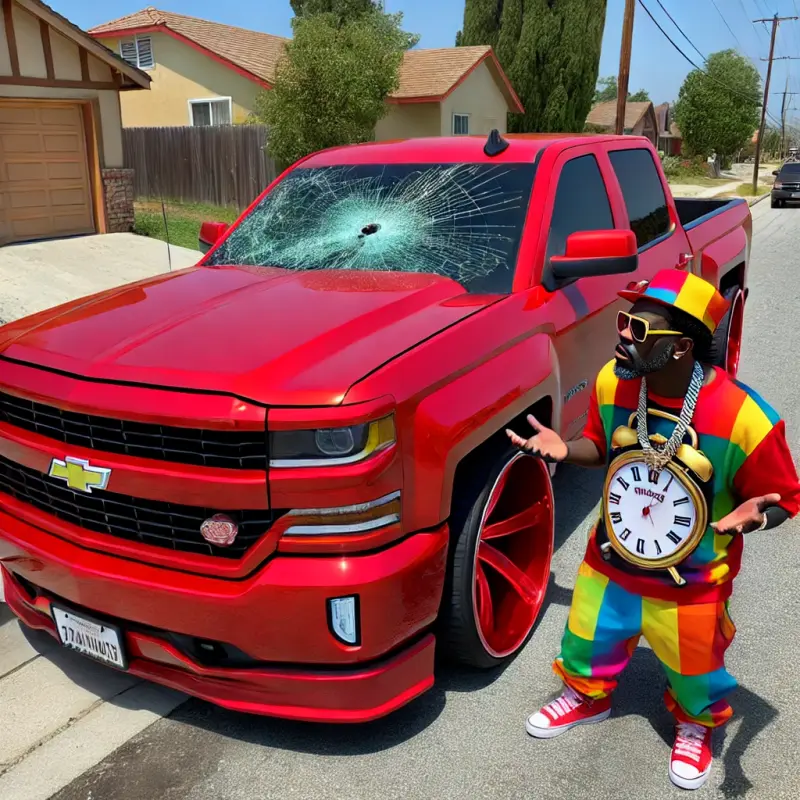
Aftermarket glass ranges from solid to disappointing, depending on the manufacturer and tooling. Reputable aftermarket glass from the same big brands can be indistinguishable from OEM in clarity and fit. Cheaper options might have subtle distortion near the edges, misaligned sensor brackets, thinner acoustic layers, or a frit band that doesn’t hide the adhesive perfectly. I’ve seen bargain glass force a tech to fiddle with the rain sensor because the bracket height was off by a millimeter. The sensor never sat right, the customer came back twice, and everyone wasted time they could have saved by using better glass.
If your vehicle has advanced driver-assistance systems that rely on a forward-facing camera at the windshield, you need glass with the correct bracket and optical properties. Some cameras will not calibrate if the glass has the wrong reflective index or if the black ceramic frit differs around the camera window. In that case, OEM or top-tier aftermarket matched to your exact option code is the safe bet.
ADAS calibration: the step too many shops gloss over
If your car has lane keep assist, forward collision warning, adaptive cruise, or automatic emergency braking, it likely has a camera or radar system that requires calibration after a windshield replacement. Automakers specify a static calibration (targets placed at specific distances and heights) or a dynamic calibration (a controlled drive on marked roads with a scan tool). Some vehicles require both.
Calibration can add one to three hours to the job, sometimes more if a static target setup is needed and floor space is limited. The equipment isn’t cheap, which is why some mobile-only outfits skip it or outsource to another shop. Skipping calibration can leave you with a functioning but inaccurate system that misreads lane markers or reacts late to obstacles. Insurers have started cracking down, and many will refuse coverage for a replacement that did not include documented calibration when the manufacturer requires it.
Ask the shop directly how they handle ADAS. The best answers sound like this: we check your VIN, confirm calibration requirements, perform static or dynamic calibration in-house with documented results, or partner with a dealer or calibration center and schedule it the same day. Vague language like “it usually recalibrates itself” is a red flag.
The adhesives and the clock: when it’s safe to drive
Urethane adhesive is the muscle that holds your windshield in place. Modern adhesives are designed for crash performance, and they cure at different speeds depending on humidity and temperature. A term you’ll hear is Safe Drive Away Time. High-quality, fast-cure urethanes can reach safe strength in 30 to 90 minutes under ideal conditions. Slower formulas can require several hours.
This matters if you plan to drive soon after the replacement or if it’s cold. Low temperatures slow curing, so expect longer wait times in winter. A good technician will document the adhesive used, the lot number, ambient conditions, and the safe release time. They should also advise you to avoid car washes and rough roads for a day, leave a window slightly cracked for a few hours to equalize pressure, and not yank on moldings or covers.
How to assess a shop’s competence without being a glass expert
You don’t need to quiz a shop about polymer chemistries, but you can spot professionals by how they answer basic questions, how they handle your vehicle, and the clarity of their pricing. A simple phone call or visit can tell you a lot.
Try questions like these, then listen for specifics rather than sales fluff:
- Can you match my VIN options and confirm whether calibration is needed? If yes, how do you handle it? What glass brands are you quoting and why? If I want OEM, what’s the price difference and lead time? What urethane do you use and what is the safe drive away time today? Is mobile service available for my car? Are there conditions where you insist on in-shop service? What is included in the Auto Glass Quote, and what would count as additional charges?
You’re looking for a shop that talks in terms of part numbers, brands they trust, calibration workflows, and clear timelines. A counterperson who says they will check the service information for your VIN and call back with calibration details is doing the right thing. A vague promise that “we do them all the time” without mentioning tools or documentation is a sign to keep shopping.
Mobile service versus in-shop service
Mobile service is convenient. A well-prepared mobile tech can handle straightforward vehicles in a driveway or office lot and do excellent work. But there are limits. If your vehicle needs static calibration with targets, controlled lighting, and a level floor, mobile may not be feasible. Heavy rain, extreme cold, or dusty environments also complicate adhesive bonding and contamination control.
Shops that are serious about quality will triage. They will send a mobile tech for vehicles that support dynamic calibration and simple trims, then route specialty vehicles, bonded moldings, or European cars with tight tolerances to the shop. I’ve seen techs fight with brittle cowl clips on older cars in a parking lot and lose the battle to a windy day. In the bay, with heat, lighting, and an organized parts bin, that job takes half the time and the clips go in cleanly.
Pricing, insurance, and what your deductible actually means
Windshield replacement pricing varies by vehicle, glass type, sensor packages, local labor rates, and whether ADAS calibration is required. A compact car with basic glass might run 250 to 450 dollars. A newer SUV with acoustic laminated mobile auto glass repair columbia glass, a rain sensor, and a camera could land between 500 and 1,100 dollars. Luxury brands and heated windshields push higher, sometimes well over 1,500.
Insurance complicates the picture. If you carry comprehensive coverage, glass damage is usually included. Some policies have a separate glass deductible, sometimes zero, sometimes 50 to 100 dollars. Others apply your comprehensive deductible, which might be 500 or 1,000 dollars, making insurance less attractive. In certain states, insurers must offer no-deductible windshield coverage, which changes the math entirely. If you aren’t sure, call your carrier before scheduling. Ask whether they require you to use a preferred network shop. You can usually choose any shop, but preferred shops often handle billing directly and streamline approvals. Independent shops can still work with your insurer, but you might pay upfront and get reimbursed.
When requesting an Auto Glass Quote, ask for a line-by-line breakdown: glass part number and brand, moldings or clips, labor, mobile fee if any, calibration, shop supplies, and taxes. Hidden fees tend to hide in moldings that break on removal or in calibration outsourced to a dealership. A reputable shop will warn you about common brittle parts on your model and include them or explain the contingency.
How to read online reviews with a technician’s eye
Reviews are helpful, but look beyond stars. Sort by newest to catch recent staffing changes. Scan for patterns: repeated mentions of leaks, wind noise, or sensors not working point to poor preparation or skipped calibrations. On the positive side, note reviews that detail how the shop handled a tough situation. A customer who praises a quick fix is fine, but a story where the shop discovered a misboxed part, stopped the job, rescheduled calibration, and ate a small cost to make it right tells you how they behave under pressure.
Photos can be telling. Look at the frit line around the perimeter. The black ceramic band should hide the adhesive evenly. If you see thick beads spilling into view or uneven gaps at the top edge, that’s sloppy. Interior photos that show reinstalled A-pillar trims with intact airbag clips are gold, because those clips are easy to break and expensive to replace. If customers mention a technician using a windshield setting tool rather than muscling the glass into place, that’s another sign of a shop that invests in its craft.
Special cases that change the plan
Older vehicles and restorations often use gaskets rather than urethane bonding. In that world, fitment and seal quality rely on fresh rubber, correct rope-in technique, and patience. Some modern adhesives aren’t appropriate for older paint chemistry. If you have a classic car, choose a shop that does vintage work regularly and is comfortable with body shops and trim alignment. Budget extra time and expect a little trial and error with stainless trim.
European cars and newer pickups bring their own quirks. BMW and Mercedes often need precise ADAS target setups and OE brackets. Subaru Eyesight systems are sensitive to glass optics, and calibration is non-negotiable. Ford trucks can have heated windshields with invisible grid lines that cost triple the base glass. If the quote looks suspiciously low on these vehicles, ask what’s included and whether the exact option code is matched.
Aftermarket accessories matter. Dash cams mounted to the windshield need careful removal and remounting. Aftermarket tint on the top band may be ruined in the process. Remote-start antennas or toll transponders should be moved to the correct zone to avoid interfering with sensors. A thoughtful shop will ask what’s on your glass before they schedule.
What a thorough replacement looks like, step by step
A clean job follows a rhythm. The technician verifies your VIN, options, and calibration needs. They protect the hood and dash, remove wipers, cowl, and trims carefully, and document any brittle clips that may break. The old glass is cut out using wire or a power tool, taking care not to gouge the pinch weld. Any scratches in the paint get primed to prevent rust.
The pinch weld is cleaned of old urethane to a thin layer, as recommended by adhesive makers. The glass is dry-fitted to check gaps and bracket alignment. Primers are applied to glass and body where required, and the urethane bead is laid in a continuous, even triangle. Using a setting tool or a practiced two-person lift, the tech seats the glass precisely with even pressure. Moldings, cowl, and trims go back with new clips if needed. The car sits undisturbed until the safe drive away time. If calibration is required, it follows the adhesive cure to the degree the manufacturer allows, sometimes immediately if the system supports it.
A good shop wipes smudges, vacuums the dash, and checks the defrost vents for debris. The tech should run water along the top and A-pillars to screen for leaks. Finally, they explain post-install care and hand you documentation that lists glass brand and part number, adhesive brand and lot, and calibration results if applicable.
When a rock chip repair is the smarter move
Repairing a small chip saves the original seal and often costs a fraction of replacement. If the chip is smaller than a quarter, not in the driver’s direct view, and hasn’t sprouted long cracks, resin injection can stabilize it in 20 to 30 minutes. The finished spot won’t disappear completely, but it will be far less visible and much stronger. Some insurers waive the deductible for repairs, because it saves them money too. If you call a shop for a windshield replacement and they insist on replacement for a tiny chip, be skeptical. Most honest shops repair when they can, replace when they must.
Lifetime leak warranties and what they really cover
Many shops advertise lifetime warranties. Read the fine print. Most cover workmanship issues like leaks, wind noise from a loose molding, or stress cracks that originate from improper installation. They do not cover new rock impacts or rust that spreads under the urethane bond. If your vehicle already has rust at the pinch weld, the shop should warn you in writing that rust repair is outside scope. Trying to bond over rust is like taping to dust. It will fail, and the installer shouldn’t be on the hook for that.
A shop that stands behind its work will make leak checks painless. If you hear a whistle at highway speeds, they’ll schedule a quick appointment, ride with you if necessary, and resolve it. The ones that hedge or blame the car without inspecting often cut corners in the first place.
The role of the distributor and why it affects your timetable
Behind the scenes, most shops rely on regional auto glass distributors for daily deliveries. If your vehicle uses a common windshield, it’s probably in stock locally. Specialty glass, acoustic variants, heads-up display cutouts, or heated elements might live two states away. A shop with strong distributor relationships can turn those in a day or two. A shop that orders through a single channel might quote a week. When you’re on a clock, ask whether the part is in local stock and whether they can source from multiple warehouses. The difference between a one-day and a four-day wait often comes down to part availability, not shop willingness.
Hidden costs that honest shops will mention upfront
A handful of items regularly surprise customers. Camera bracket covers can snap during removal if they’re sun-baked. Cowl panels on older cars turn brittle and crumble, especially after years of heat. German cars love to hide single-use clips everywhere. Black urethane is unforgiving on light-colored headliners if someone gets sloppy. A pro will warn you, tape off edges, and keep a bin of common clips in stock. They’ll also ask about garage door opener modules, EZ-Pass tags, and aftermarket rain sensors so they can transfer them cleanly.
If you drive a vehicle with an interior humidity sensor or driver monitoring camera mounted near the mirror, it might need reinitialization. Some shops have the scan tools to handle it, others coordinate with a dealer. None of this is difficult, but it takes planning.
Practical ways to narrow your choices quickly
You don’t need a spreadsheet to find a good auto glass shop, but a short, focused approach helps. Start with shops that specialize in Auto Glass Replacement and advertise ADAS calibration with real equipment, not just a line on the website. Call two or three. Give them your VIN, ask for an Auto Glass Quote with glass brand and part numbers, and confirm calibration steps. Listen to how they explain the process and how they handle scheduling. If one quote is far below the others, press for details on the glass brand and calibration. Sometimes the cheapest bid uses generic glass without the correct sensor window. That will cost you more in time and frustration.
If your insurer offers a preferred list, use it as a starting point, not a mandate. Good independents often beat the big chains on workmanship, especially on less common vehicles, and can still bill your insurance. For fleet vehicles, prioritize shops with predictable scheduling and mobile capability, plus daily calibration capacity. Downtime costs more than the price difference on glass.
A quick checklist before you book
- Ask for the glass brand, part number, and whether it’s OEM or quality aftermarket that matches your options. Confirm ADAS calibration needs by VIN and whether it will be done in-house or scheduled same day elsewhere. Get the adhesive brand and safe drive away time based on current weather. Request a written Auto Glass Quote that lists moldings, clips, calibration, and any mobile fee. Verify warranty terms on leaks, wind noise, and workmanship, and how follow-up visits are handled.
What to look for on pickup day
When you pick up the car, slow down and trust your senses. Close the door with the windows up and listen for the dull thud you’re used to, not a tinny rattle. Run a finger along the inside edge of the glass to feel for uniform gaps. Look through the glass at a straight line like a building edge and scan for waviness. Make sure the rain sensor, automatic high beams, lane keep, and forward collision alerts behave normally on a short drive. Check for stray urethane on the dash or A-pillars. Ask for calibration documentation and adhesive details for your records. A good shop will walk you through all this without being prompted.
Final thoughts from the service lane
Windshield replacement blends craftsmanship and procedure. The best shops treat it like both. They match the right glass, bond it with the right adhesive, calibrate the electronics, and return your car clean and sealed. The difference shows up months later when your cabin stays quiet in a thunderstorm and your driver-assistance systems track confidently in the rain.
If you invest a few minutes up front, you can avoid most of the headaches I’ve seen over the years. Be direct about what you expect, ask the handful of questions that matter, and choose a shop that earns your trust with specifics. The right team will keep you safe behind clear glass and get you back on the road with the minimum fuss.